

The Science Behind the Signs
Hearing that your child needs some form of additional testing can naturally bring up feelings of worry or uncertainty, but it’s important to remember that these evaluations are a vital step toward understanding exactly what’s happening in your child’s body. Your pediatric endocrinologist relies on a few specific, carefully chosen tests to gather the information they need so your little one can receive the best possible care.


Preparing for CPP Testing
As a parent or caregiver, you deserve to know what each of those potential testing options involves and what the results might tell the ped endo. Here’s a breakdown of how each of these tests works:
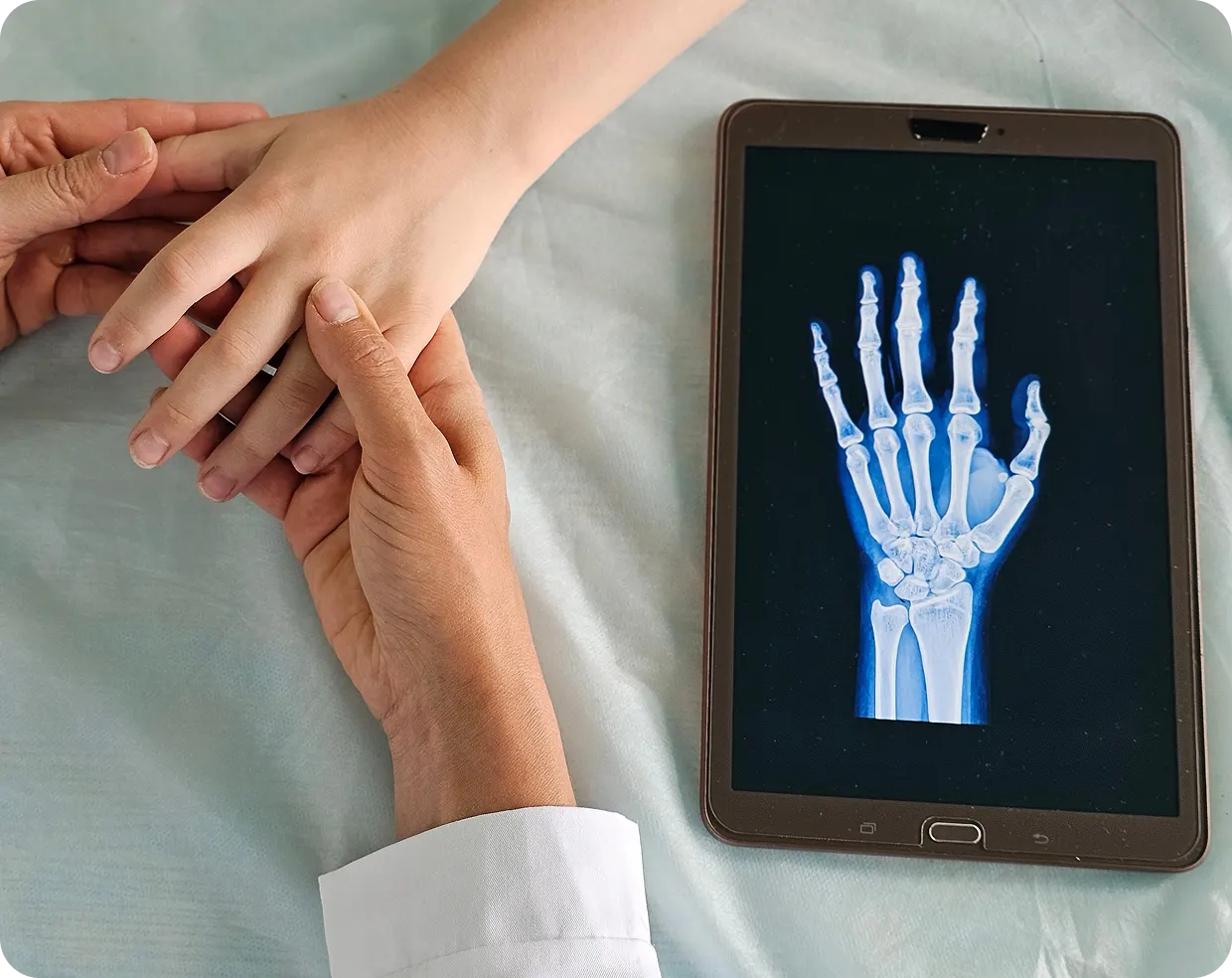


A bone age test involves a quick and painless X-ray of your child’s left hand and wrist to see exactly how their skeleton is developing. The results help your pediatric endocrinologist determine if your child’s bones are maturing faster than their actual age, which is a primary indicator of central precocious puberty (CPP).
Note for parents: You can help your child prepare for this step by reassuring them that the doctor is simply taking a special picture of their hand — and that it won’t hurt.
To measure specific puberty-related hormone levels and get a clearer picture of the changes happening inside your child’s body, your doctor will likely order a simple blood test. If the results show elevated levels of hormones like estrogen or testosterone, it tells your care team that your child’s brain has already started sending the signals for puberty to begin.
Note for parents: Because needles can naturally cause anxiety for young children, we recommend bringing their favorite comfort item to the appointment and reminding them that the tiny pinch will be over in just a few seconds.
To help confirm CPP and differentiate from other causes, your child’s doctor may request a GnRH stimulation test: a specialized evaluation where your child is given a specific medication, followed by a few small blood draws at set intervals over a couple of hours. This process allows your doctor to see exactly how your child’s body reacts to puberty-triggering hormones; a significant hormone surge in the results will be a strong indication of a true CPP diagnosis.
Note for parents: Since this appointment takes a little more time than a standard visit, packing a few of your child’s favorite books, a tablet, or quiet games is a wonderful way to keep them comfortably entertained.
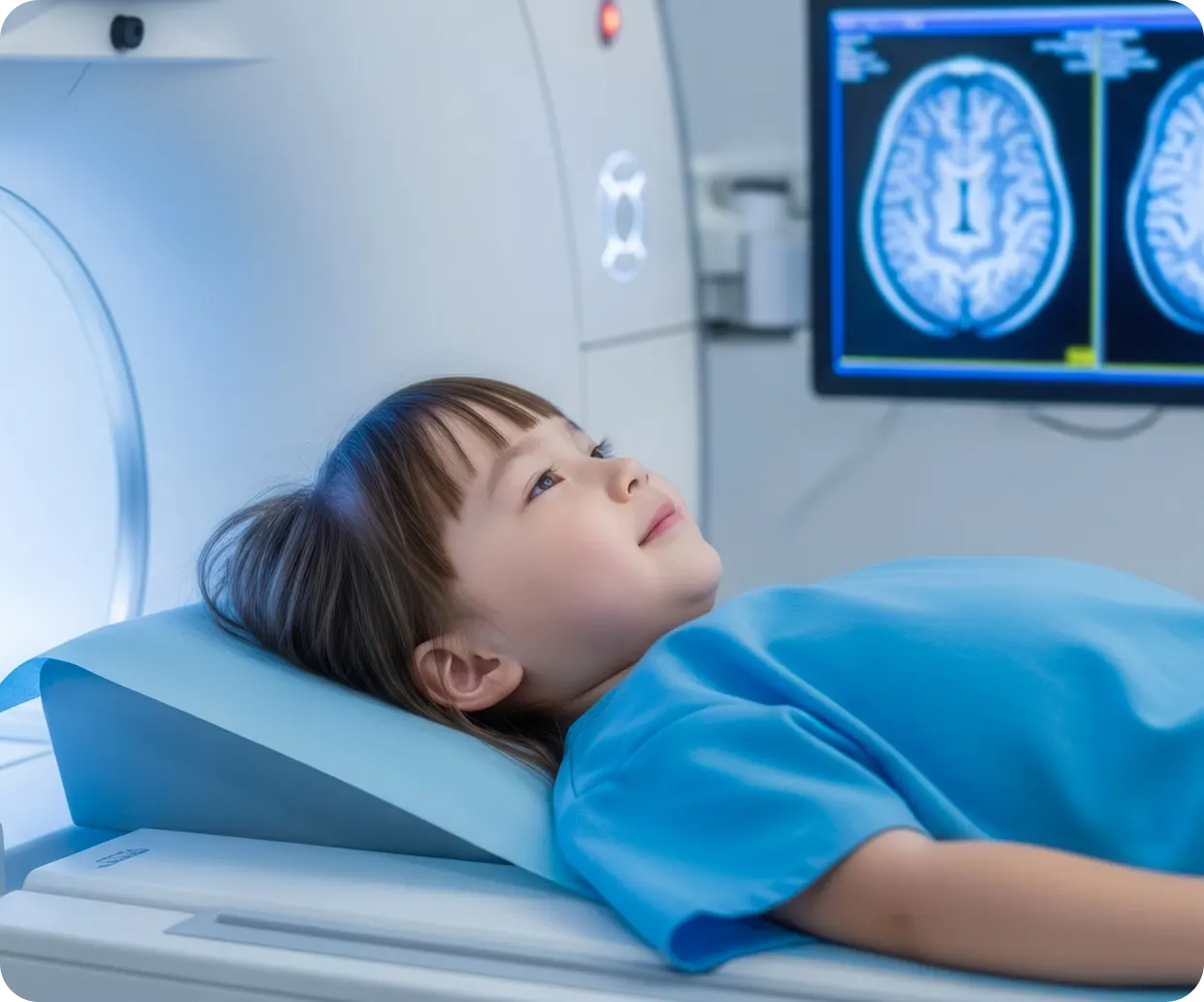
To rule out any other abnormalities as a cause of early puberty, your doctor may recommend a pelvic ultrasound to check the physical development of their reproductive organs or a brain MRI to look at the pituitary gland. These imaging scans are crucial for ruling out any other underlying causes for the early hormone release, giving you both peace of mind and a clear path forward.
Note for parents: An MRI requires lying very still inside a noisy machine, so explaining to your child beforehand that they will be resting inside a “loud donut” can help ease any worries.