Deborah Rotenstein, M.D.
Central precocious puberty (CPP), is when puberty comes too soon – the early maturation of girls before age 8 years and before age 9 years for boys. The cause of CPP for both sexes is the premature activation of the hypothalamic-pituitary axis which are the parts of the brain that controls the start of puberty.
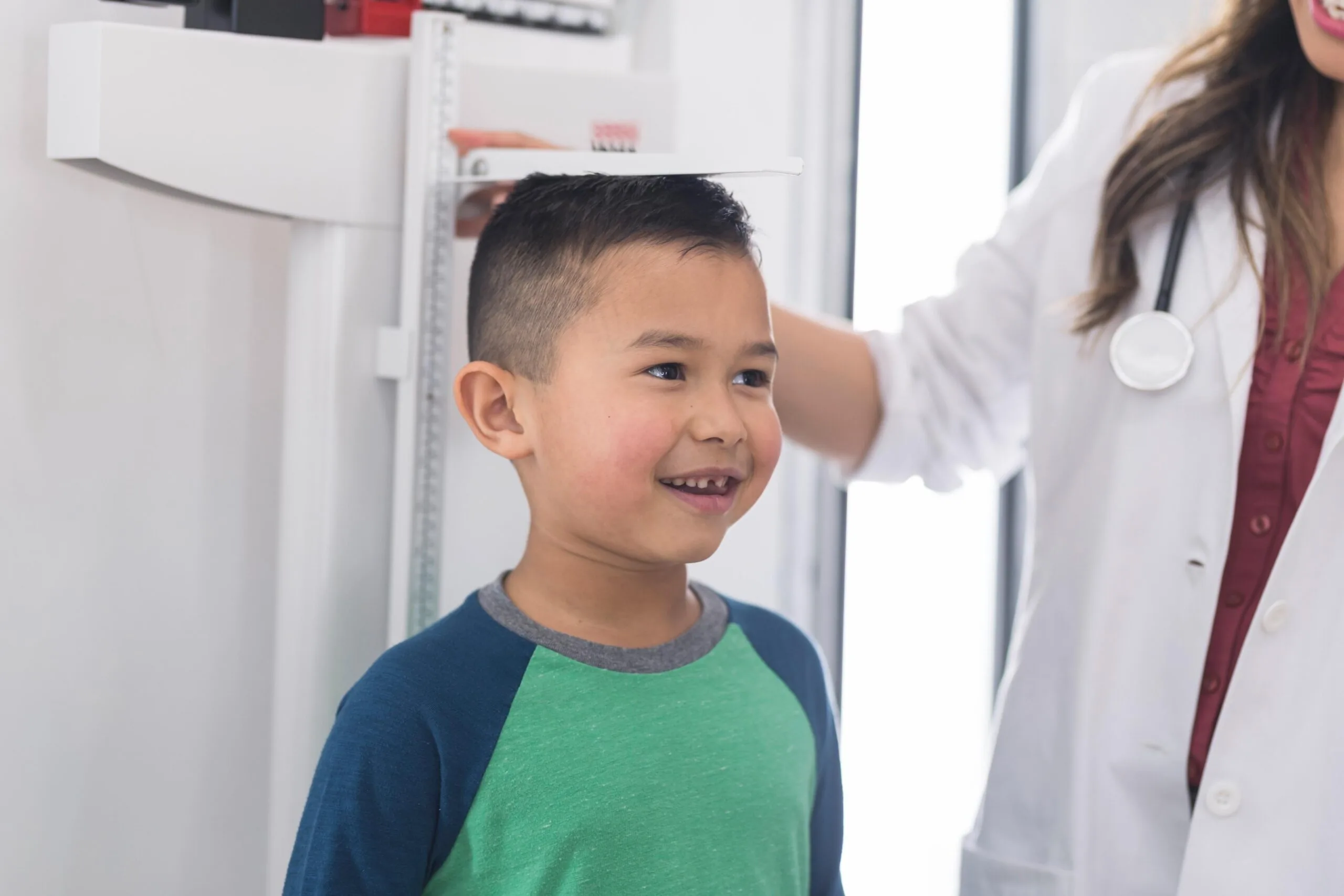
While CPP occurs less frequently in boys, it generally follows the same physical progression as on time puberty, starting with change in the size of the testes and penis, rapid change in height, deepening of the voice and growth of facial hair. However, because with CPP these changes come too soon, boys may experience unique physical, emotional, social, and behavioral issues. Because the bones mature early, growth may be rapid and stop too soon which leads to decreased adult height.
Beyond the physical changes, the transition from childhood to adulthood is an important social and emotional journey. In many cultures, this time is marked with parental pride and special celebration and even a change of clothing. In a bygone era, boys at puberty were transitioned from knee length pants (knickers) to long pants – a visual demarcation of their changed status!
At first the increase in height and muscle strength may be perceived by both parents and children as a source of pride and advantage for better performance in sports and status with friends. However, there may be unrealistic sports performance expectations of these boys based on the mismatch of size and appearance with their chronological age. The rapid increase in height with change in the center of gravity and the discordance between growth and strength may affect coordination causing clumsiness. There may also be sports injury, such as knee pain, heel pain, and fractures.
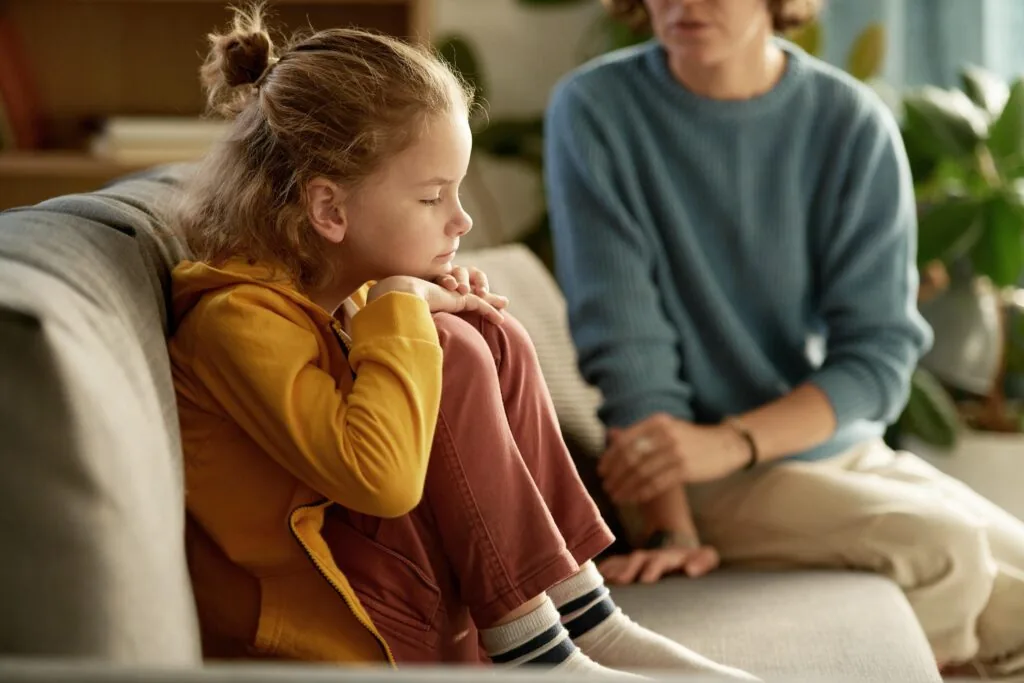
Not all kids communicate well with parents about their rapid physical changes, sports mishaps or squabbles with peers resulting in conflict and strain. There may be issues with hygiene, the need for deodorant, acne, and skin care issues. How these boys think and behave does not match with how they look. Because they appear older, they may be pressured to “act” older without the cognitive understanding that comes with appropriate maturation. Lack of social skills and confidence may lead to stress.
Some boys experience moodiness and aggression. They may be drawn to older boys because of their size and development, only to be excluded by their friends of the same age for participating in risky behaviors. Such behaviors might include smoking or substance abuse and possibly sexual experimentation. Kids with preexisting emotional problems or family issues may have an even more difficult time negotiating early puberty.
Most kids simply want to be like their friends- they want to “fit in.” CPP sets these children apart. Ultimately, they may experience rejection by their friends and even bullying.
Parents play a vital role in helping boys with the challenges of CPP, along with their pediatrician and endocrinologist, and possibly a mental health professional, if needed. The majority of boys will traverse their early pubertal expedition successfully. Support from parents with respect to communication, school, coaches, friends, and other parents will ease the bumps along the CPP journey.
Helpful Strategies for Boys with CPP
- Reassurance for your son – they are not diseased! The clock for changing from a boy to a man has been set too soon, and different from their peers.
- Be a good, nonjudgmental listener. Encourage communication in all forms-talking, writing, music or drawing to permit expression about what your child is experiencing.
- Encourage strengths-hobbies, age-appropriate activities, social groups, time with family and new responsibilities.
- School communication-You are the best advocate for your child. Your son may look older, but he is still a child! Coaches need to be aware of their biological age and use core and cross training to avoid injury during sports. The school needs to understand that personal hygiene such as deodorant use or shaving may be needed. They need to monitor for teasing and bullying and communicate such issues back to you.
- Get help for your son from your pediatrician, your pediatric endocrinologist and possibly a mental health professional to address behavioral, emotional and psychological concerns.
References
- Terasawa E, Kurian JR. Neuro endocrine mechanisms of puberty. In Handbook of Neuro endocrinology. Academic press, 2012. 433–84.
- Chen, Metal >Central precocious puberty: update on diagnosis and treatment. Paediatr Drugs.2015 Aug 17(4)273-281
- Souza, J .Whitehouse, Sandra ,Mitrani, Paul. How Early Puberty Affects Children’s Mental Health, Child Mind Institute
- Mensah FK et al Early Puberty and childhood social and behavioral adjustment. J Adoles Health 2013;53(1):118-124
- D’Arrigo, T. Central precocious Puberty linked to mental illness. Psychiatric news 2025 Vol 60 #9
- Lazar, L et al: Central precocious puberty in males, GnRH analog treated or untreated did not impact fertility and health in midadulthood. J of Clin Endo and Metab 2025,110 e3936-e3934
- Parry GN et al. Associations between growth maturation and on jury in youth athletes Mensah engaged in elite pathways Br J of Sports Med 2024
- Dinkelbach, Lars et al Central precocious puberty and psychiatric disorders JAMA NETW Open 2025 June 23;8(6) e2516679
TPI.2026.eng.6007.v1