Deborah Rotenstein, M.D.
Puberty and its changes and adjustments may be very stressful for kids and their families. This is especially true when puberty comes early. It turns out that stress itself can trigger the start of puberty! At puberty, a part of the brain called the hypothalamus sends instructions (GnRH) to the pituitary. When the instructions come in pulses of different intensity, puberty starts. With central precocious puberty (CPP) these very same pulses start too soon. Significant psychological and physical stress in the environment, especially during the first five years of life, may accelerate puberty and result in CPP.
Two separate examples of how stress is related to early puberty includes the COVID-19 pandemic and with international adoptions. Both were and can be very stressful events. Worldwide, an increase in early puberty was observed during and just after the COVID-19 pandemic and is also found to be more common amongst international adoptees.
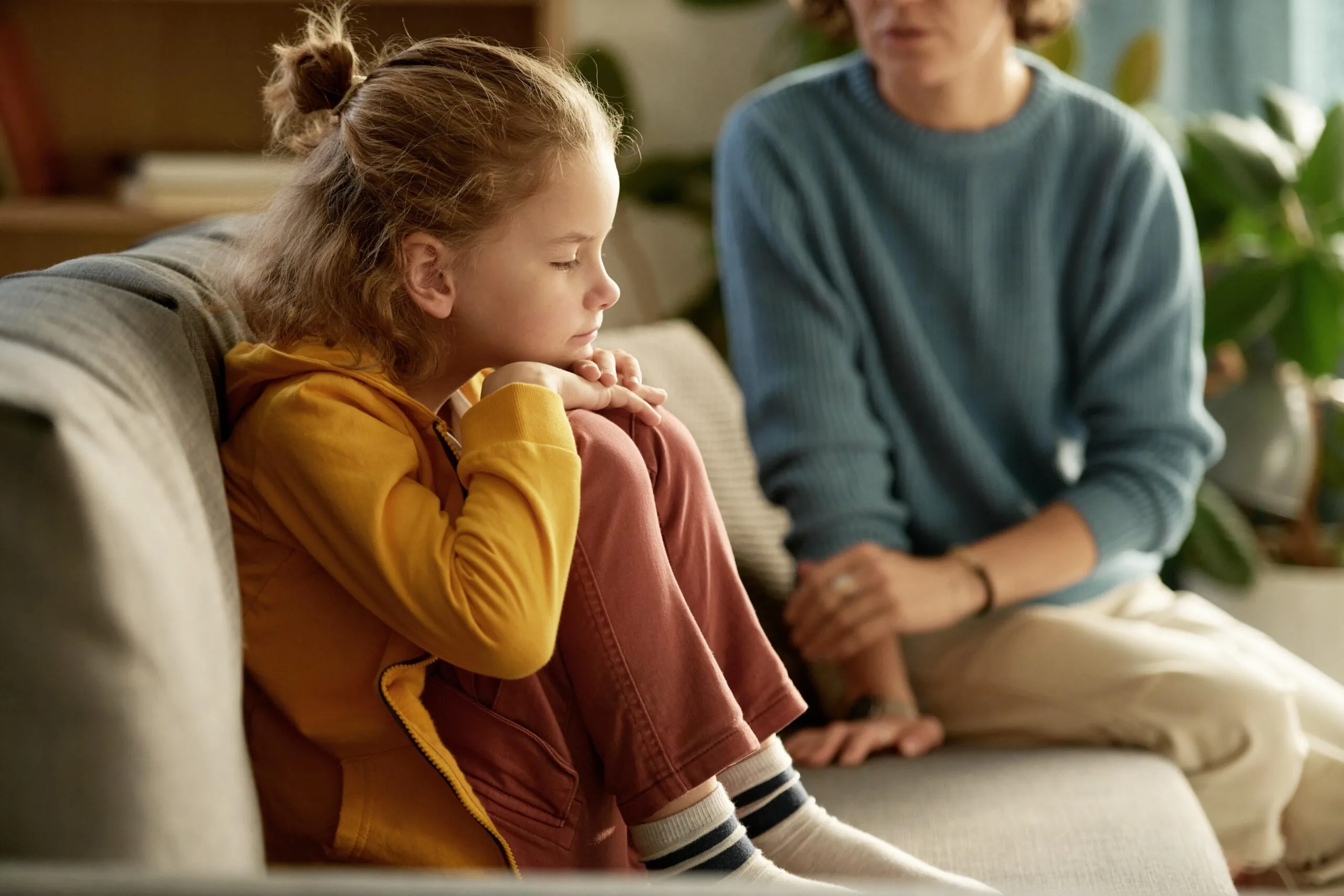
In many countries during the long and intense lockdown period of COVID-19, there was an environment of crowding, stress, fear, and constant uncertainty for families and children. Parents worked from home but also supervised their children’s online education. There was financial insecurity and job loss. There was fear of illness but also death of loved ones without proper goodbyes. Children had a loss of normal school life and routine with isolation from the support of their friends, teachers, and grandparents. During quarantine there were changes in how and how much children were taught, diminished outside exercise, more fast-food consumption, and increased exposure to electronic devices with possible changes in sleep-wake cycles. When children did return to school, social contacts were not normal due to the use of masks, social distancing, and changed routine including play. Children were stressed during a vulnerable period in their lives resulting in anxiety and depression. These changes were disruptors of normal child development. The consequence was an increase in CPP and rapid puberty progression in multiple centers globally compared to pre-pandemic years.
Another stressful situation for a child is adoption. Among international adoptees there is a significantly higher frequency of CPP however the specific etiology is unknown. This increase in CPP is not observed in children who migrate to a new country with their biological families. Therefore, coming to a new country, by itself, is not the entire causative factor for CPP for
international adoptees. Possible reasons for the increase in CPP among adoptees may include early pre adoption environmental and psychological stress. Pre adoption, there may be stressful nurturing and insecure attachments with nutritional deprivation, abuse, threats, and neglect with increased weight gain (which can be associated with CPP) after adoption. Many children post infancy may still have memories of their previous lives and parents/families. Adoptees are thrust into new families who offer love and support. Despite this, adjusting to a new culture, environment, customs, different diet, and language without their biological families is daunting.
We do not have all the biological answers for how stress may induce precocious puberty, however one of the strongest controllers of the hypothalamic-pituitary-gonadal axis (the system that controls puberty) are the stress hormones which are activated and may function differently during times of fear and stress. Such stress signals may include cortisol, norepinephrine, and kisspeptin, among others. It is hypothesized that chronic and prolonged stress may lead to the release of GnRH, the hormone pulses of which directly lead to puberty.
Much future research is needed comparing worldwide data to explain the physical, biochemical or biological, and psychological effects of stress on triggering GnRH pulses that lead to precocious puberty.
Useful strategies to minimize fear and stress for children might include:
- Acknowledging and being respectful of the fears and anxieties of children
- Consistent and familiar daily routine with less electronic entertainment
- Sheltering children from adult worries, one on one time with parents
- Getting adequate sleep, exercise and healthy eating
- Psychoeducation, cognitive behavioral therapy, family-based interventions if needed.
References
- Terasawa E, Kurian JR. Neuro endocrine mechanisms of puberty. In Handbook of Neuro endocrinology. Academic press, 2012. 433–84.
- Street ME, Ponzi , Renati R, Petraroli M, D’Alvano T, Lattanzi C, Ferrari V, Rollo D, Stagi S. Precocious puberty under stressful conditions: New understanding and insights from the lessons learnt from international adoptions, and the COVID-19 pandemic. Front. Endocrinol 2023 May 2; 14
- Prosperi S, Chiarelli F. Early and precocious puberty during the COVID-19 pandemic. Front Endocrinol. Section Pediatric Endocrinology 2023 Jan9: vol 13
- Teilman G, Parent AS, Skakkebaek NE, Bourguinon JP. Precocious puberty in internationally adopted girls. In Pescovitz OH, Walvoord EC Editors. When puberty is precocious. Contemporary Endocrinology. Humana Press 2007. 443-59.
- Bobbitt S, Kawamura A, Saunders N, Monga S, Penner M, Andrews D. Anxiety in children and youth: Part 2 The management of anxiety disorders. Paediatr Child Health 202328(1):60-66.
TPI.2026.eng.6007.v1