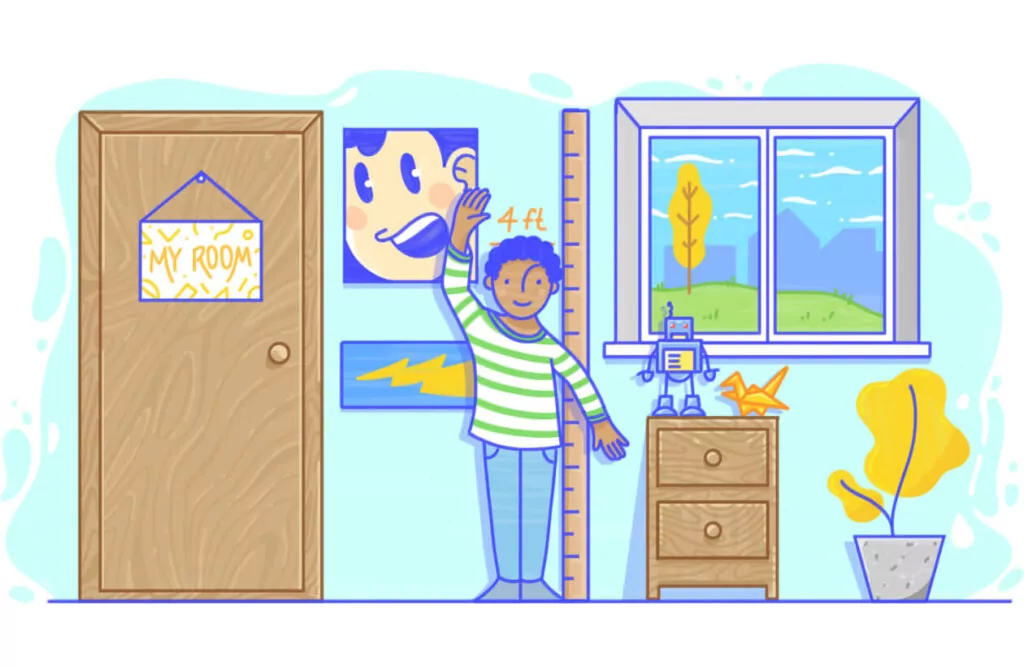

Here’s How We Can Slow Down Growing Up
Treating central precocious puberty (CPP) usually involves a medicine called GnRH analogue therapy, which safely pauses early development until your child reaches a normal age for puberty. These treatments, which can be given as regular subcutaneous or intramuscular shots or as a small yearly implant, work by blocking the hormones that trigger these early physical changes.
Here, we’ll help you understand these options so that you can partner with your pediatric endocrinologist to make an informed decision for your little one.


Goals of CPP Treatment
The primary focus of treating CPP is to make sure your child has the opportunity to grow and develop at a more natural pace. By pausing early development in time, your child’s doctor can help protect their future height potential and give them a chance to be Little a Little Longer.
Your child’s care team, including both their pediatrician and the pediatric endocrinologist, will work closely with you to help decide on a treatment plan that causes the least interference with your current lifestyle. Here are some goals to consider as you choose a treatment option:

Delaying Sexual Maturity
The primary goal of any CPP treatment is to pause early physical development until the time is right for your child’s body, which is, on average, between ages 9 and 13 for boys and girls

Preserving Their Height Potential
Stopping rapid bone growth earlier helps your child reach their full adult height as they age.

Minimizing the Emotional Impact
Protecting your child from the psychological stress of developing faster than their peers is, in some cases, just as significant of a goal as the physical changes, as this is often “the battle within the battle” that can have lingering effects through their teenage years and adulthood if not addressed.